What should a pest control technician do when a customer reports a reinfestation?
A calm, methodical response to a callback that protects the customer relationship and solves the real problem.
Respond calmly and schedule a return visit promptly. Review the property history, then reinspect to confirm whether it is the same pest, a new species, or a conducive condition you missed. Retreat under your warranty, explain what you found, and note the cause so it does not recur.

Respond fast and take it seriously
A reinfestation call is a moment of truth. The customer is frustrated and questioning whether the service works, and how you respond decides whether they renew or cancel. Answer quickly, treat it as a real problem rather than a nuisance, and get a covered callback on the schedule without making them fight for it. Related: When should you schedule recurring pest control visits for the best results?
Speed matters more than being right in the first minute. A same-week callback tells the customer you stand behind your work, and that alone resolves most of the emotion before you even arrive. Related: Why does a pest control company lose customers in the first year of service?
Keep reading: How do you plan the most efficient pest control route for a busy day?, What is the best way to log chemical applications at every service stop?, Why does keeping a treatment history per property matter for pest control?. See how PestPatrolr helps you pest control route scheduling and treatment logging.
Read the history before you return
Before the callback, pull up what was done last visit. Which product, which areas, which target pest. Reinfestation often means the interval was too long, the source was never found, or a conducive condition like moisture is feeding the problem. The history tells you where to look instead of repeating the same treatment. Related: Why does keeping a treatment history per property matter for pest control?
Arriving informed also changes the conversation. When you can say what was applied last time and what you plan to do differently, the customer sees a professional solving a problem, not a tech guessing again.
Inspect for the real cause
A reinfestation is usually a symptom of something the first visit missed. Look for the harborage, the entry point, or the conducive condition. A roach problem that keeps coming back may be feeding on a leak under the sink. Ants may be trailing from a colony outside that never got treated at the source.
Fixing the cause is what actually ends the callbacks. Re-spraying the same baseboards without finding why the pests returned just resets the clock until the next frustrated call.
Document the callback and adjust the plan
Log what you found and what you did on the callback, and if the pattern shows the interval is too long for this home, recommend a tighter cycle. The reinfestation is data, and it should change the plan rather than being treated as a one-off.
PestPatrolr shows the full treatment history for the property before you arrive and captures the callback on the same timeline, so you can spot the pattern, fix the cause, and adjust the recurring cycle to stop it happening again. Related: What is the best way to log chemical applications at every service stop?
- Respond fast and schedule a covered callback.
- Review the treatment history before returning.
- Inspect for the source, not just the symptom.
- Document the callback and tighten the cycle if needed.

Julien Jimenez
Julien Jimenez is an independent software builder based in Paris. He designs, ships, and operates focused SaaS products for small businesses and independent professionals. Read the full author page.
Frequently asked questions
Does a callback mean the first treatment failed?
Not always. Reinfestation can come from an untreated source, a neighbor, or conditions like moisture or clutter that keep drawing pests. Inspect before assuming the product failed, since the fix may be conducive conditions rather than a stronger chemical.
Should you charge for a reinfestation visit?
If the customer is on a recurring plan or within a warranty window, retreatment is normally included. Charging for covered callbacks damages trust, so reserve fees for issues clearly outside the agreed scope.
Route Every Tech, Log Every Treatment
Pest control route scheduling and treatment logging. PestPatrolr is built to help you put this into practice.
Start free trialMore from the PestPatrolr blog
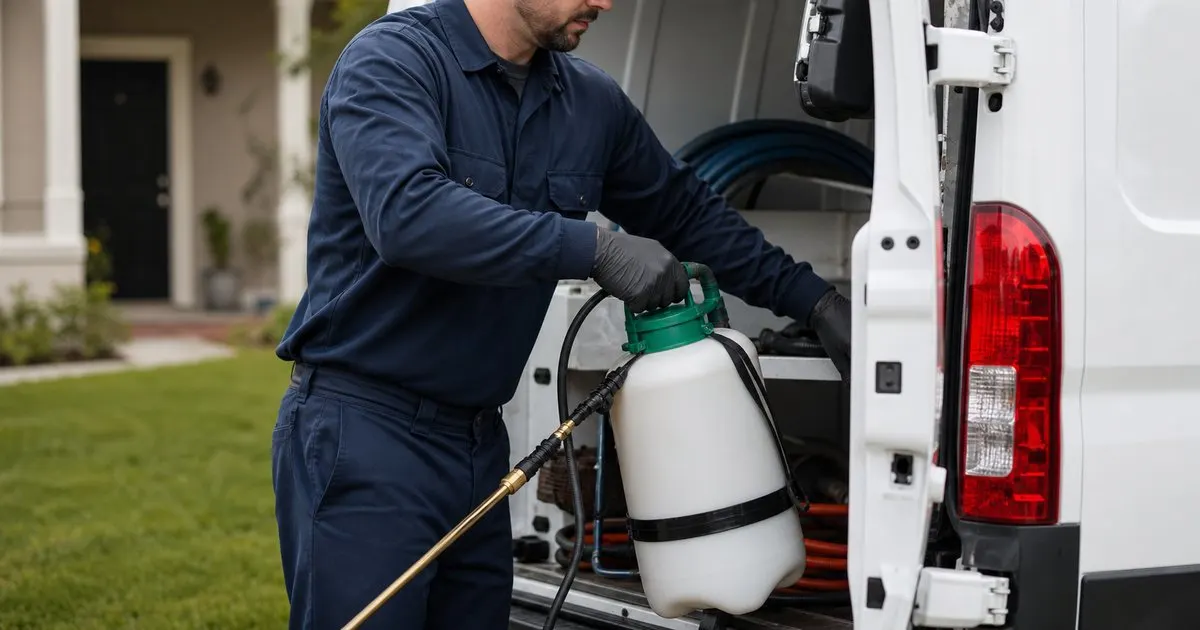
How do you plan the most efficient pest control route for a busy day?
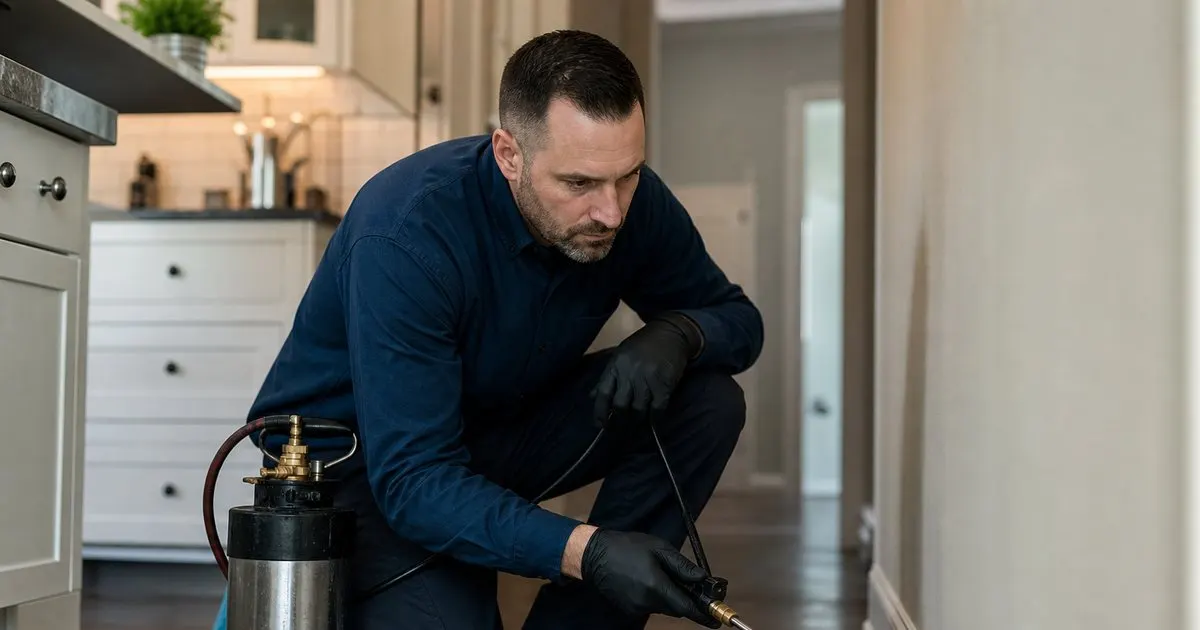
What is the best way to log chemical applications at every service stop?
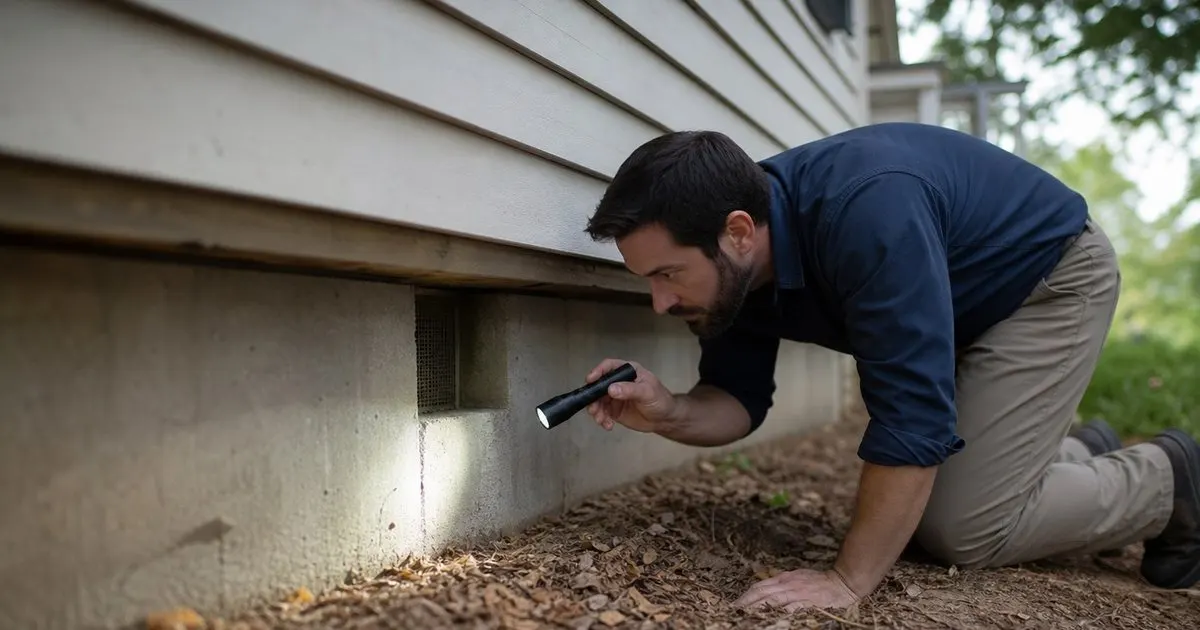
Why does keeping a treatment history per property matter for pest control?
Get the PestPatrolr playbook
Practical guides on pest control software, straight to your inbox as we publish them. No spam, unsubscribe any time.