How much should a pest control operator charge for a quarterly service plan?
A grounded way to price recurring pest control by your real costs, market, and the value you deliver.
Price from your real costs first, then the market. Add up drive time, labor, product, insurance, and overhead per visit, apply a healthy margin, then check the figure against local competitors. Bundle the four visits into a plan price that reflects the ongoing protection, not just one treatment.

Start from your true cost per stop
Before you can price a plan, you need to know what a single visit actually costs you. Add up the tech's time on site and driving to it, the fuel, the chemical used, and a share of your insurance, licensing, vehicle, and office overhead. Many operators underprice because they only count the chemical and forget the truck and the windshield time.
Once you know your loaded cost per stop, a quarterly plan is four of those stops plus the value of the guarantee you offer between visits. That number is your floor, and pricing below it means you are paying customers to keep you busy. Related: When should you schedule recurring pest control visits for the best results?
Keep reading: How do you plan the most efficient pest control route for a busy day?, What is the best way to log chemical applications at every service stop?, Why does keeping a treatment history per property matter for pest control?. See how PestPatrolr helps you pest control route scheduling and treatment logging.
Know your local market
Pricing does not exist in a vacuum. Call a few competitors in your area as a shopper and learn what a quarterly plan runs locally. Prices vary widely by region, home size, and pest pressure, so a national figure is close to useless. Your market sets the band you can realistically work within. Related: Which pests require the most frequent recurring treatments in residential homes?
Aim to sit where your service quality justifies, not at the bottom. Competing purely on being the cheapest attracts customers who leave for the next cheapest, and it starves the business of the margin it needs to keep good techs.
Price the value, not just the visits
A quarterly plan is not four sprays, it is a promise that the customer's home stays protected all year, including free callbacks between visits when something shows up. That guarantee has real value, and it is a large part of what the customer is buying. Price it in rather than giving it away.
Bundle the reassurance into the story you tell. A homeowner will happily pay for peace of mind and a covered callback, but only if you frame the plan as ongoing protection rather than as a per-spray transaction.
Adjust for the property
A flat plan price for every home leaves money on the table and loses jobs. A large home with a long perimeter and heavy pressure costs you more to service than a small townhouse, and the price should reflect that. Adjust for square footage, lot size, and known pest history. Related: How do you plan the most efficient pest control route for a busy day?
PestPatrolr keeps the service history and recurring cycle on every property, so you can see which accounts take more time and pressure and price renewals around the real cost of serving each home. Related: What is the best way to log chemical applications at every service stop?
- Know your fully loaded cost per stop first.
- Research local competitors before setting a price.
- Charge for the guarantee, not just the sprays.
- Adjust pricing for home size and pest pressure.

Julien Jimenez
Julien Jimenez is an independent software builder based in Paris. He designs, ships, and operates focused SaaS products for small businesses and independent professionals. Read the full author page.
Frequently asked questions
Should quarterly plans include free callbacks?
Most operators include callbacks between scheduled visits and price that risk into the plan. Free reservice reassures customers and signals confidence, so build a small allowance for it into your margin rather than charging each time.
Is it better to bill quarterly or monthly?
Monthly billing lowers the sticker price per payment and smooths cash flow, which many customers prefer. Quarterly billing means fewer transactions. Offer both and let the customer choose.
Route Every Tech, Log Every Treatment
Pest control route scheduling and treatment logging. PestPatrolr is built to help you put this into practice.
Start free trialMore from the PestPatrolr blog
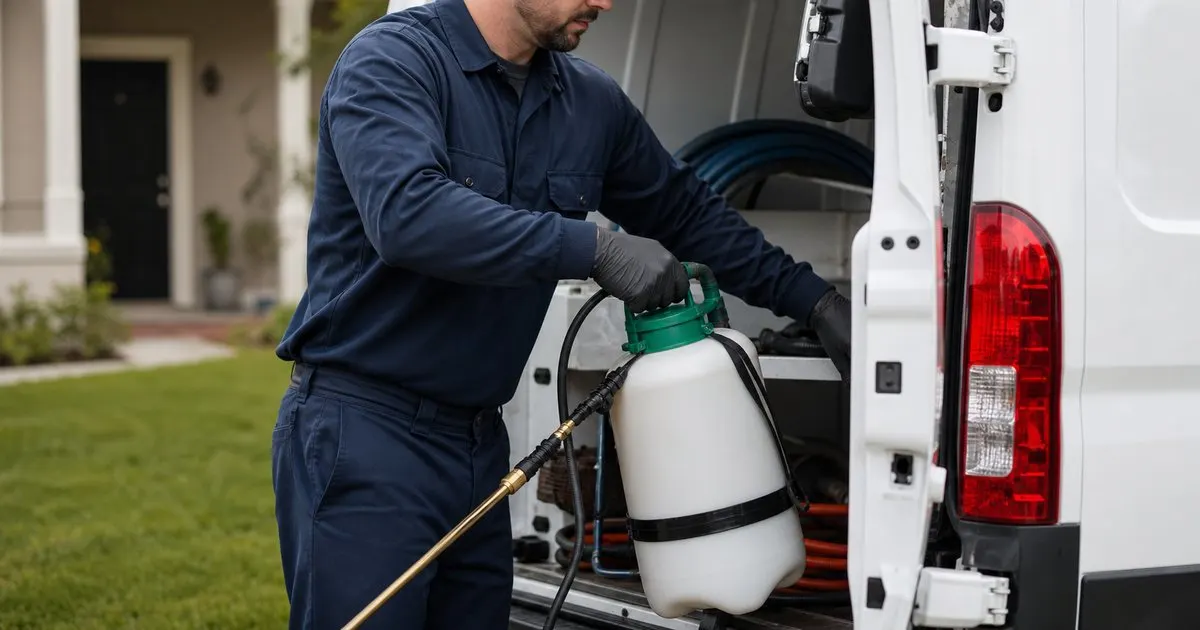
How do you plan the most efficient pest control route for a busy day?

What is the best way to log chemical applications at every service stop?
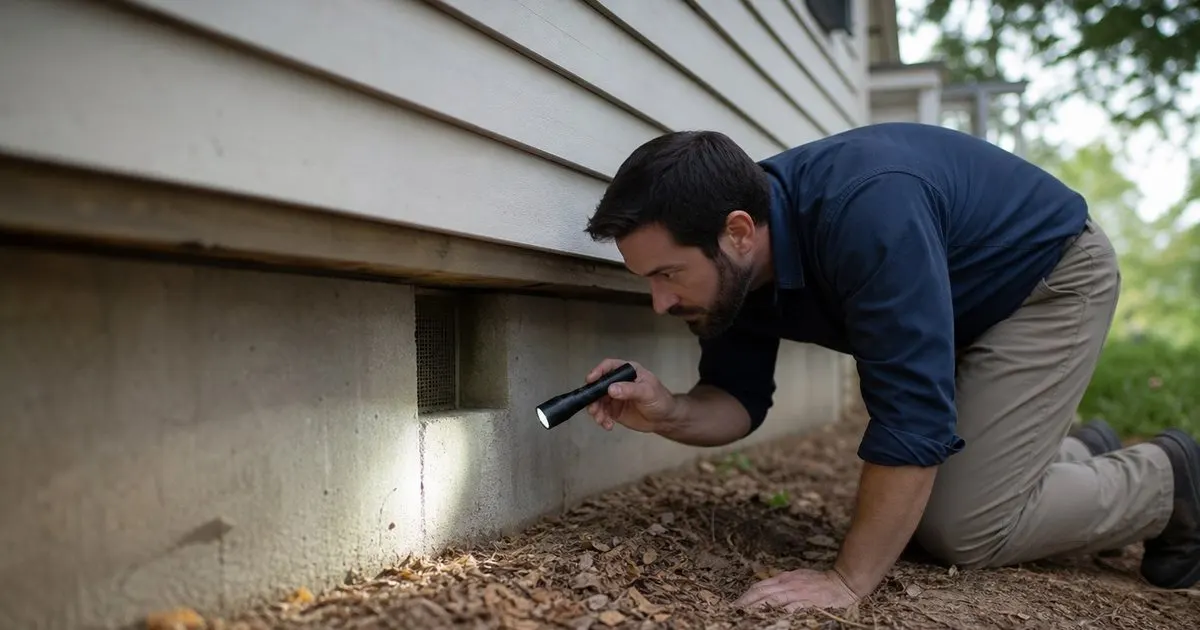
Why does keeping a treatment history per property matter for pest control?
Get the PestPatrolr playbook
Practical guides on pest control software, straight to your inbox as we publish them. No spam, unsubscribe any time.