When should you schedule recurring pest control visits for the best results?
How to set service intervals by pest pressure and season so recurring plans actually keep homes protected.
Time intervals to pest pressure and the local season rather than a fixed date. Most homes do well on quarterly visits, with tighter monthly or bimonthly service where pressure is high or the climate is warm. Add targeted visits ahead of spring and fall pest surges.

Match the interval to the pest pressure
There is no single correct interval, only the interval that keeps a given home ahead of its pests. A property with heavy perimeter ant and spider pressure may need bimonthly service, while a low-pressure home stays clean on a quarterly cycle. Start from the pest, not from a one-size plan. Related: How do you plan the most efficient pest control route for a busy day?
The residual life of the products you use also sets a ceiling. Most exterior barrier treatments hold for a matter of weeks, so an interval longer than that residual leaves a gap where activity returns. Align the visit frequency with how long your treatment actually lasts. Related: Why does keeping a treatment history per property matter for pest control?
Keep reading: How do you plan the most efficient pest control route for a busy day?, What is the best way to log chemical applications at every service stop?, Why does keeping a treatment history per property matter for pest control?. See how PestPatrolr helps you pest control route scheduling and treatment logging.
Work with the seasons
Pest activity is seasonal, and the smartest schedules front-load service into the pressure. Timing a visit just before the spring emergence and again ahead of the fall invaders means you are treating before the problem instead of chasing it. A flat, evenly spaced calendar ignores when pests actually surge. Related: Which pests require the most frequent recurring treatments in residential homes?
Regional climate matters here. Warm southern markets may run near year-round pressure, while colder regions see a hard seasonal drop. Build the recurring calendar around your own climate rather than a national template.
Make the cadence predictable for the customer
Recurring service works best when the customer knows roughly when to expect you. A consistent quarter and a rough window reduces lockouts, keeps pets secured, and makes it easy for the customer to plan. Predictability is part of the value they are paying for.
It also protects your revenue. A recurring plan that lands reliably every cycle is far less likely to be canceled than one that shows up at random and makes the customer wonder what they are paying for.
Let the next visit schedule itself
The failure mode of recurring service is human: someone forgets to book the next round and the account quietly falls out of rotation. The fix is to schedule the next visit the moment the current one is completed, so the cycle is self-sustaining.
PestPatrolr sets monthly, bimonthly, or quarterly cycles per property and drops the next visit on the calendar automatically after each service, so a recurring plan never slips because someone forgot to rebook it. Related: How much should a pest control operator charge for a quarterly service plan?
- Set the interval by pest pressure and product residual.
- Front-load service ahead of seasonal surges.
- Keep the cadence predictable for the customer.
- Auto-schedule the next visit so the cycle never lapses.

Julien Jimenez
Julien Jimenez is an independent software builder based in Paris. He designs, ships, and operates focused SaaS products for small businesses and independent professionals. Read the full author page.
Frequently asked questions
Is quarterly service enough in warm climates?
Often not. In warm, humid regions pests stay active year round, so many homes need bimonthly or monthly service to hold pressure down. Match the interval to the actual activity you see, not the calendar alone.
Should service intervals change with the seasons?
Yes. Tightening visits before spring and fall surges and easing off in slow months keeps protection steady while avoiding unnecessary treatments during quiet periods.
Route Every Tech, Log Every Treatment
Pest control route scheduling and treatment logging. PestPatrolr is built to help you put this into practice.
Start free trialMore from the PestPatrolr blog
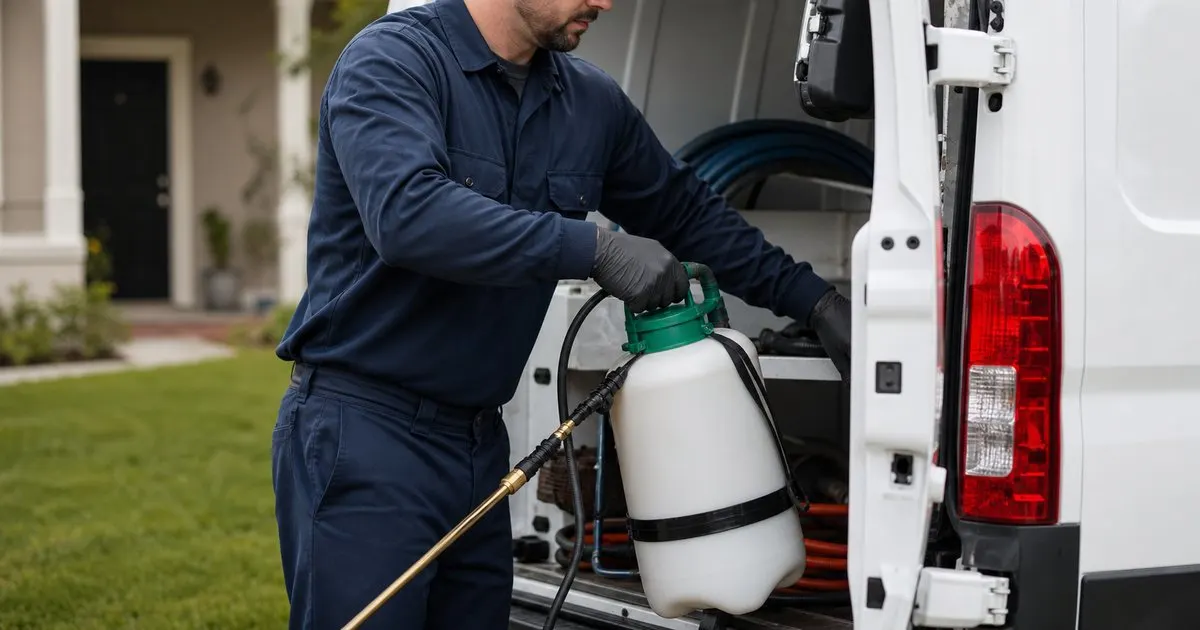
How do you plan the most efficient pest control route for a busy day?

What is the best way to log chemical applications at every service stop?
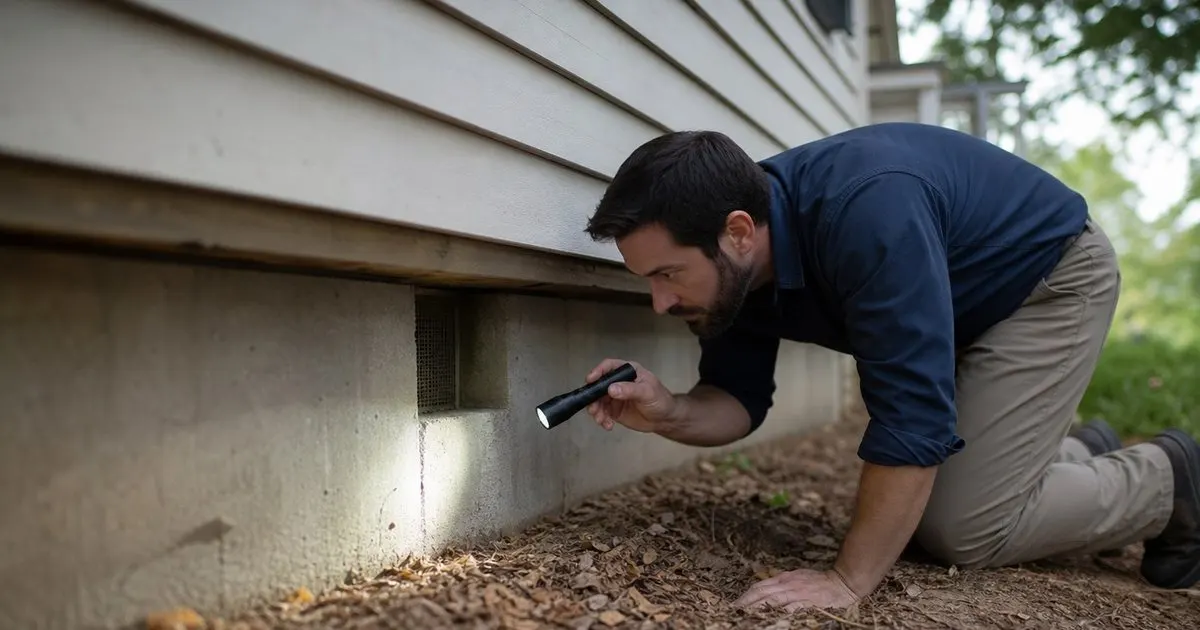
Why does keeping a treatment history per property matter for pest control?
Get the PestPatrolr playbook
Practical guides on pest control software, straight to your inbox as we publish them. No spam, unsubscribe any time.