How do you treat bed bugs in a multi-unit building without spreading them?
Treating one apartment and hoping is how a single complaint becomes a building-wide problem. Here is the approach that actually contains it.
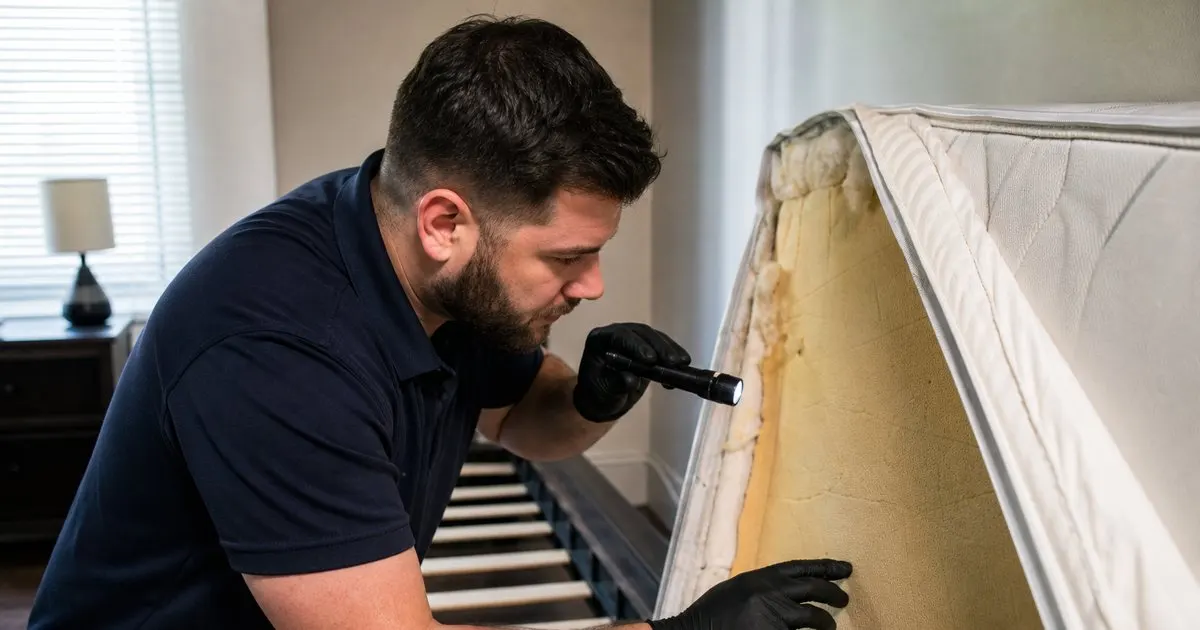
Start by inspecting the neighbors, not just the complaint
Bed bugs move between units through wall voids, along pipe and wire chases, and on people and belongings. By the time a tenant reports them, there is a real chance the adjacent units are already affected. The standard practice is to inspect the reporting unit plus every unit that shares a wall, floor, or ceiling with it, and in most buildings that means at least four or five units. Skipping this step and treating only the complaint is the single most common reason a building ends up with a chronic problem. Related: What should a pest control technician do when a customer reports a reinfestation?
Inspection means a proper one: stripping the bed, checking mattress seams, box spring corners, headboard, nightstand joints, sofa seams, baseboard edges, and behind outlet covers where allowed. Monitors placed under bed and sofa legs and left for a week or two will catch low-level infestations that a visual inspection misses. Document every unit inspected, including the ones found clean, because the property manager and the tenants will want to know, and because a clean unit that becomes infested later changes how you interpret the spread.
Keep reading: How do you plan the most efficient pest control route for a busy day?, What is the best way to log chemical applications at every service stop?, Why does keeping a treatment history per property matter for pest control?. See how PestPatrolr helps you pest control route scheduling and treatment logging.
Treat as a block, not as a series of individual jobs
Once you know which units are affected, treat them together, ideally on the same day or consecutive days, working from the least infested toward the most. Treating the heavy unit first and the neighbors a week later gives the bugs seven days to move into the units you have not touched yet. Coordinate with the property manager to get access to all of them in one window. That coordination is the hardest part of the job and it is worth insisting on.
Method depends on your license, equipment, and the building. Many operators combine a thorough vacuum and steam of harborages with residual and dust applications in cracks, voids, and along the perimeter, following labels carefully in occupied units. Whole-unit heat treatment can be highly effective in a single visit but requires equipment and training most route trucks do not carry, and it does nothing for bugs that have already moved next door. Whatever the method, the units that share walls with an infested unit should at minimum receive a preventive perimeter and void treatment even if the inspection found nothing.
Tenant preparation is where containment succeeds or fails
A treatment in an unprepared apartment is a partial treatment. Tenants need clear written instructions in advance: what to bag and launder on high heat, what to leave in place so the technician can inspect and treat it, how to handle clutter without carrying bugs into the hallway, and what not to do (spraying store-bought products that scatter the bugs, moving the mattress into another room, dragging infested furniture to the dumpster where the next tenant picks it up). Provide the instructions in the languages the building's residents actually speak.
Be realistic about compliance. Some tenants will prepare perfectly. Some will not or cannot, because of age, disability, work schedules, or simply not believing the problem is serious. Work with the property manager to identify units that need help preparing and plan for it, whether that is a cleaning service, extra time, or a second visit. A unit that cannot be prepared should not be skipped; it should be scheduled with the extra effort it requires, because an untreated unit is the reservoir that reinfests everything around it. Related: Why does keeping a treatment history per property matter for pest control?
Follow-up visits and the paper trail that protects everyone
Bed bug eggs are not reliably killed by most residual applications, so a follow-up two weeks or so after the initial treatment is standard, and a third visit is common in heavier infestations. Reinspect every treated unit and the adjacent ones, check the monitors, and treat again where activity persists. Do not close the job on the property manager's request until you have a clean inspection in every unit that was involved. Closing early because the phone stopped ringing is how the callback arrives in month three. Related: What is the best way to log chemical applications at every service stop?
Every step, inspection findings per unit, products and methods used, tenant prep compliance, and follow-up results, should be documented in a per-unit record that the property manager can see. Multi-unit bed bug work is the pest control job most likely to end in a dispute, whether between landlord and tenant, between tenants, or with your own company. A complete, dated history of what was found and done in each unit is what keeps that dispute short. It is also what lets a different technician pick up the building on the next call without starting from zero. Related: How do you plan the most efficient pest control route for a busy day?
- Inspect every unit that shares a wall, floor, or ceiling with the reporting unit, and document the clean ones too.
- Treat all affected and adjacent units in one coordinated window, from least to most infested.
- Written, multilingual prep instructions and a plan for tenants who cannot comply decide whether containment works.
- Schedule follow-ups, close the job only on clean inspections, and keep a per-unit record.

Julien Jimenez
Julien Jimenez is an independent software builder based in Paris. He designs, ships, and operates focused SaaS products for small businesses and independent professionals. Read the full author page.
Route Every Tech, Log Every Treatment
Pest control route scheduling and treatment logging. PestPatrolr is built to help you put this into practice.
Start free trialMore from the PestPatrolr blog
How do you plan the most efficient pest control route for a busy day?
What is the best way to log chemical applications at every service stop?
Why does keeping a treatment history per property matter for pest control?
Get the PestPatrolr playbook
Practical guides on pest control software, straight to your inbox as we publish them. No spam, unsubscribe any time.