When should a pest control operator raise prices on existing recurring service customers?
Costs drift up quietly while recurring plan prices sit still for years. Here is how to spot the accounts that are underpriced, when to send the increase, and how to handle the cancellations that follow.

The signals that tell you an account has fallen behind
The trigger for a price increase is not a date on the calendar, it is the gap between what a stop costs you and what it bills. Build the cost side honestly: the technician's paid time on site plus the drive time to get there, fuel and vehicle wear for those miles, product used, and a share of insurance, licensing, software, phone and office time. Run that against what each recurring account actually pays per visit. Almost every operator who does this for the first time finds the same pattern. A handful of accounts carry the route, most sit in a reasonable middle, and a tail of older accounts is being serviced at close to break-even or below. Related: How do you plan the most efficient pest control route for a busy day?
Three signals show up again and again in that tail. First, plans priced more than about two years ago, because labor, insurance and product costs rarely sit still that long. Second, accounts that quietly consume more than their plan covers, such as the quarterly customer who calls for a free ant retreat every summer or the property that needs forty minutes of exterior work billed as a twenty-minute stop. Third, geographic strays: a single stop far outside your route density that eats an hour of drive time nobody is paying for. Those three groups deserve attention before you touch the accounts that are already performing. Related: What is the best way to log chemical applications at every service stop?
Keep reading: How do you plan the most efficient pest control route for a busy day?, What is the best way to log chemical applications at every service stop?, Why does keeping a treatment history per property matter for pest control?. See how PestPatrolr helps you pest control route scheduling and treatment logging.
Timing the increase so it lands well
The cleanest anchor is the account's own anniversary, meaning the month they first signed up. It gives the increase an obvious reason (annual review) instead of feeling arbitrary, it spreads the letters across the year rather than creating one enormous month of phone calls, and it fits the renewal language most service agreements already contain. Give written notice ahead of the effective date, commonly thirty to sixty days, and make sure the notice reaches the person who actually pays rather than the person who happens to be home during service. If you have commercial accounts, check the contract first, because many specify a notice period and a delivery method you are obligated to follow.
Timing is also about what happened recently on that account. Do not send an increase in the same month as a missed appointment, a callback, or a treatment the customer felt did not work. Fix the service issue first, complete a clean visit or two, then send the letter. On the other side, the strongest moment is right after you have visibly solved something, because the value of the plan is fresh. Many operators also prefer to complete increases before their busiest season rather than during it, since answering pricing questions is much easier in a week when the phone is not ringing constantly. Related: Why does keeping a treatment history per property matter for pest control?
Sizing the increase and deciding who to leave alone
Small and regular beats rare and dramatic. A modest increase applied every year is a line item customers absorb the way they absorb their internet bill. Skipping five years and then correcting all at once produces a number large enough that the customer starts shopping, and shopping is what you are trying to avoid. If you have already skipped several years, consider staging the correction across two annual reviews on the worst accounts rather than sending one letter that doubles as a resignation notice.
Segment before you decide. Legacy accounts priced far below your current new-customer rate need the most movement, and they are also the ones most likely to still be a good deal after the increase. Accounts inside a fixed-term agreement wait for renewal. Customers in their first year usually get left alone entirely, because a price change months after the sales conversation reads as bait and switch even when it is not. Referral sources, long-tenure customers who never call between visits, and properties that anchor a dense route are worth protecting with a smaller increase, since route density and low service demand are real value to you even when the invoice does not show it. Related: When should you schedule recurring pest control visits for the best results?
Announcing it and handling the fallout
Write the notice short and plain: what the new rate is, when it takes effect, one honest sentence on why (costs of labor, fuel, insurance and materials have risen), and what is not changing about their service. Do not apologize for a paragraph, and do not bury it at the bottom of a newsletter. Then prepare whoever answers the phone. Technicians and office staff should have the same two or three sentences ready, plus authority to offer a limited alternative such as an annual prepay at a slightly better rate, or holding the old price for one more term in exchange for a longer commitment. A confident, consistent answer stops most objections at the first call.
Expect some cancellations and decide in advance what number would worry you. A small share of an underpriced book leaving is usually a good trade, since the accounts that leave over a modest increase are frequently the ones that were unprofitable to begin with. Track it properly: log every cancellation for ninety days after the effective date with the reason given, compare the revenue lost against the revenue gained across the accounts that stayed, and note which segments pushed back hardest. That record is what makes next year's review a fifteen-minute decision rather than another year of putting it off.
- Trigger the review from cost per stop against revenue per stop, not from a calendar date alone.
- Use each account's signup anniversary and give thirty to sixty days of written notice to the person who pays.
- Small annual increases hold customers better than a rare large correction, and legacy underpriced accounts should move the most.
- Never send an increase in the same month as a callback or a missed appointment, and log every cancellation for ninety days afterward.

Julien Jimenez
Julien Jimenez is an independent software builder based in Paris. He designs, ships, and operates focused SaaS products for small businesses and independent professionals. Read the full author page.
Route Every Tech, Log Every Treatment
Pest control route scheduling and treatment logging. PestPatrolr is built to help you put this into practice.
Start free trialMore from the PestPatrolr blog
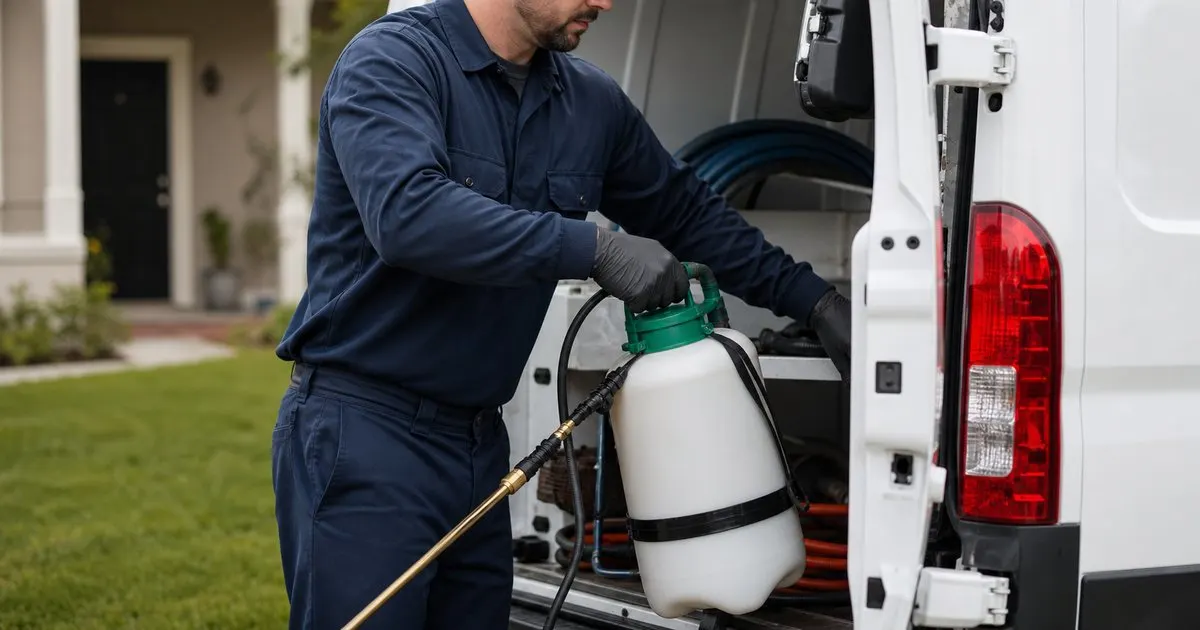
How do you plan the most efficient pest control route for a busy day?

What is the best way to log chemical applications at every service stop?
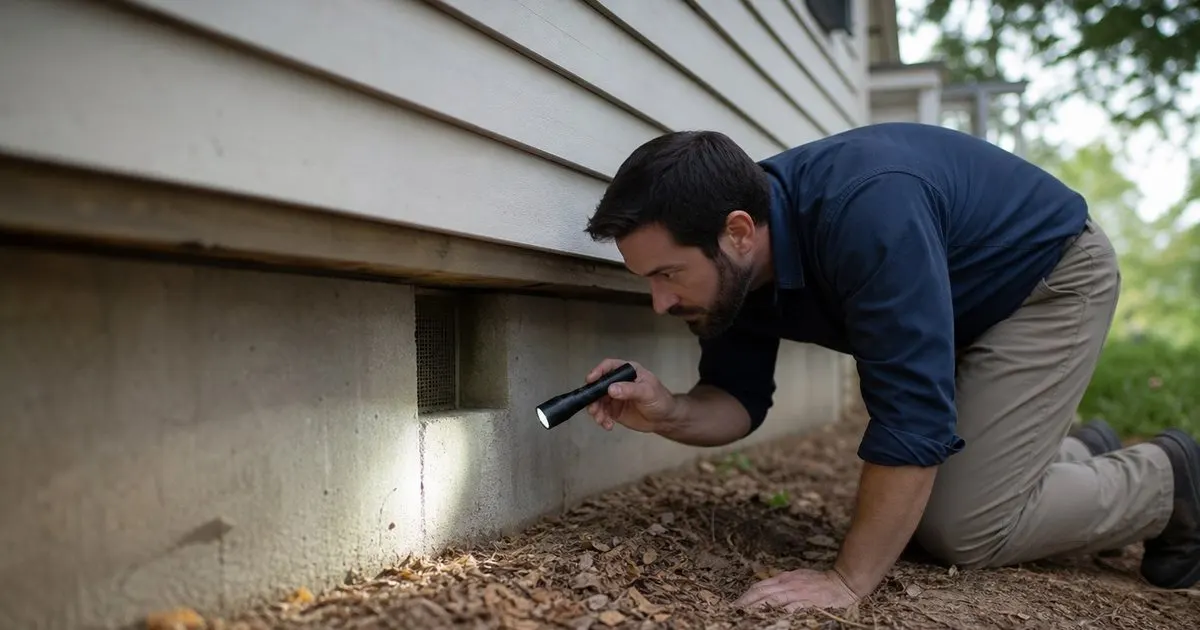
Why does keeping a treatment history per property matter for pest control?
Get the PestPatrolr playbook
Practical guides on pest control software, straight to your inbox as we publish them. No spam, unsubscribe any time.